Advancing Consciousness Research Through AI-Powered Forecasting
← Back to Home | For Investors → | For Users →
Join the first interdisciplinary research program combining lucid dreaming, neuroscience, and predictive analytics
Key Research Metrics
| Metric | Value |
|---|---|
| Peer-Reviewed Papers | 7 publications (2023-2025) |
| Lucid Dream Success Rate | 39% induction rate |
| Forecasting Accuracy | 11.1% R² in stock market prediction |
| Study Participants | 8-25 participants per study |
| Research Timeline | 2023-2025 (ongoing) |
Scientific Foundation
Peer-Reviewed Research Foundation
GFS is built on a solid foundation of peer-reviewed scientific research published in international journals. Our research spans multiple disciplines: neuroscience, psychology, economics, and artificial intelligence.
Research Timeline (2023-2025)
2023:
Banchenko Algorithm - Lucid dreaming induction methodology
- Journal: Brain and Nerves, Volume 8: 1-8, 2023
- DOI: 10.15761/JBN.1000134
- ResearchGate: View Publication
- Key Finding: 39% success rate (7/18 participants)
- 📄 Detailed Research Overview
Banchenko Market - NFT-based research funding model
- Journal: Moscow Economic Journal, No. 8, 2023
- DOI: 10.55186/2413046X_2023_8_8_414
- ResearchGate: View Publication
- Key Finding: Novel funding model for fundamental research
- 📄 Detailed Research Overview
2024:
Dream Synchronization - Collective dream synchronization method
- Journal: International Internal Medicine Journal, Volume 2, Issue 1
- ResearchGate: View Publication
- Key Finding: Demonstrated synchronization across 8 geographically separated participants
- 📄 Detailed Research Overview
Event Forecasting - Stock market prediction validation
- Journal: Japan Journal of Research, Volume 5, Issue 5, 2024
- ResearchGate: View Publication
- Key Finding: R² = 0.111 (11.1% variance explained)
Grivtsova Stress Methodology - Alpha rhythm correction
- Journal: American Journal of Medical and Clinical Research & Reviews, Volume 3, Issue 9, 2024
- ResearchGate: View Publication
- Key Finding: Successful stress correction without pharmacological intervention
- 📄 Detailed Research Overview
Research Strategy Analysis - Comprehensive ecosystem overview
- Internal document analyzing all research papers
- 📄 Detailed Analysis
2025:
- GMS/GFS Technology - Consciousness tokenization framework
- Journal: Journal of Investment Banking and Finance, Volume 3, Issue 1, 2025
- ResearchGate: View Publication
- Key Finding: Framework for tokenizing consciousness states
- 📄 Detailed Research Overview
Publications & Citations {#publications}
Our Publications
1. Research on Methods of Inducing Lucid Dreaming in the Framework of "Banchenko Algorithm"
Authors: Banchenko D.Y., Burilova T.V., Saveliev L.V., Shishkin L.K.
Journal: Brain and Nerves, Volume 8: 1-8, 2023
DOI: 10.15761/JBN.1000134
ResearchGate: View Publication
Published: March 24, 2023
Key Findings:
- 39% success rate (7 out of 18 participants achieved lucid dreams)
- Systematic algorithm combining 12+ techniques
- Validated methodology ready for scaling
- Health benefits demonstrated (blood test improvements)
Methodology Components:
- Breathing practices (hyperventilation, deep breathing)
- Special hand exercises (hemisphere synchronization)
- Diet (raw chocolate, spirulina, chlorella, no sugar)
- Red light therapy
- Reality checking (10 actions)
- Physical exercises (10,000 steps forward/backward)
- Dream journaling
Hypotheses Tested:
- Pineal gland calcification connection
- Endogenous DMT production
- Interhemispheric communication
- Alpha rhythm optimization
2. Funding for Fundamental Science Research Based on Blockchain Technologies: «Banchenko Market»
Authors: Banchenko D.Y., Burilova T.V., Nekhaev I.N., Mutsalkhanova-Yushchenko O.D., Shishkin L.K., Prokofyeva O.V.
Journal: Moscow Economic Journal, No. 8, 2023
DOI: 10.55186/2413046X_2023_8_8_414
ResearchGate: View Publication
Key Findings:
- Novel NFT-based funding model for research
- Market analysis of lucid dreaming products ($21.61M → $35.98M by 2026)
- Four NFT business models identified
- "NFT Creator" model proposed for research funding
Market Components Analyzed:
- Pharmaceuticals (breathing training devices)
- Herbal remedies (mugwort, galangal, calea zacatechichi)
- Sleep glasses and red lamps
- Educational programs ("12th Arcanum" school)
- Military/dual-use applications
3. The Application of the "Banchenko's Mnemonic Dream Synchronization Method"
Authors: Banchenko D.Y., Kapustin M.M., Bukach I.N., Budanova A.S., Burilova T.V., Mutsalkhanova-Yushchenko O.D., Blohin I.S., Shishkin L.K.
Journal: International Internal Medicine Journal, Volume 2, Issue 1, Pages 01-18, 2024
ResearchGate: View Publication
Published: January 29, 2024
Key Findings:
- Demonstrated synchronization across 8 geographically separated participants
- Shared "memes" and "tag-memes" appeared in dreams
- AI model (Kapustin) successfully identified correlations
- Dreams involving group increased 2.5x after synchronization
Method:
- 30 days baseline → 16 days synchronization → 30 days follow-up
- Collective TV series watching ("The OA")
- Synchronous Telegram discussions
- Dream journaling
Results:
- Period 1: 164 dreams, 62 lucid dreams (37.8%)
- Period 2: 202 dreams, 48 lucid dreams (23.8%)
- Group dreams: 21 → 55 (2.5x increase)
- Tag-memes from TV series appeared in dreams
Theoretical Basis:
- Electromagnetic field synchronization
- Optical communication between biological systems
- Quantum information theory (qubits, "dreaming cells")
4. Forecasting Social, Geopolitical, and Economic Events Using the 'Banchenko-Technology'
Authors: Banchenko D., Burilova T., Siberia I., et al.
Journal: Japan Journal of Research, Volume 5, Issue 5, 2024
ResearchGate: View Publication
Key Findings:
- R² = 0.111 (11.1%) in stock market prediction model
- Synchronized dream activity peaks (cannot be explained by probability)
- Temporal clustering: dreams predicted events 1, 3, 7, 21 days before
- "Time beacons": historical epochs (30, 70-80, 100 years)
Statistical Models:
- Model 1: Stock market prediction (R² = 0.111)
- Model 2: Factors influencing predictions
- Positive: Inflation rate, Black Swans
- Negative: Key rate, Political events
Theoretical Hypotheses:
- Planet as superorganism (Gaia extension)
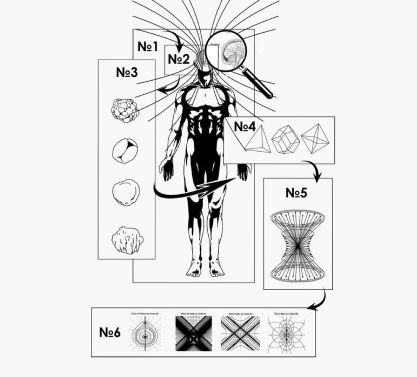
- Brain as H-field antenna (hyperbolic fields)
- Simulation theory (Vopson's second law of infodynamics)
- Multidimensional consciousness (4+1 space-time structure)
5. Technological Transformations - Formation of GMS (Global Mental System) and GFS (Global Forecasting System)
Authors: Banchenko D.Y. et al.
Journal: Journal of Investment Banking and Finance, Volume 3, Issue 1, 2025
ResearchGate: View Publication
Key Findings:
- Framework for tokenizing consciousness states
- Blockchain + neurointerfaces for reading/transmitting states
- Quantum consciousness (Penrose-Hameroff) as foundation
- Nonlocality of consciousness hypothesis
Technology Stack:
- Blockchain (Quantum Resistant Ledger - QRL)
- Neurointerfaces (EEG, fMRI, MEG, fNIRS)
- AI systems (Deep Learning, Machine Learning)
- Data processing (FFT, PCA, correlation analysis)
6. The Methodology for Diagnosing and Managing Stress Developed by Grivtsova
Authors: Banchenko D.Y., Grivtsova I.V., Kapustin M.M., Savelev I.V., Reshetnyak S.M.
Journal: American Journal of Medical and Clinical Research & Reviews, Volume 3, Issue 9, 2024
ResearchGate: View Publication
Published: September 5, 2024
Key Findings:
- Successful stress correction without pharmacological intervention
- Alpha rhythm restoration through EEG-based audio therapy
- 25 participants showed improved stress resilience
- Integration with Banchenko Algorithm
Method:
- EEG recording → Conversion to audio file → Daily listening (1 month)
- Neural network for automated EEG analysis
- Individualized approach based on EEG indicators
Results:
- Common issue: Alpha rhythm disruption across all patients
- After correction: Indicators normalized
- Physical improvements: Headaches decreased, blood pressure stabilized
- Dream content correlation: More positive dreams after correction
7. Comprehensive Research Strategy Analysis for ASRP Team
Purpose: Deep analysis of all research papers for team activity formation
Key Findings:
- Coherent multi-layered research ecosystem
- "Banchenko Technology Ecosystem" identified
- 5-layer architecture: Induction → Collection → Analysis → Application → Economic
- Strategic priorities and funding strategy outlined
Research Opportunities
Collaboration Opportunities
A. Validation Studies
Current Status:
- Small sample sizes (8-25 participants per study)
- Need for larger-scale validation (100+ participants)
- EEG validation needed for many studies
Opportunities:
- EEG Validation Studies: Confirm lucid dreaming states objectively
- Replication Studies: Independent validation of key findings
- Longitudinal Studies: Track participants over 6-12 months
- Cross-Cultural Studies: Validate across different populations
How to Get Involved:
- Propose collaboration with your institution
- Access to research protocols and methodologies
- Shared data and findings
- Co-authorship opportunities
B. Mechanism Research
Current Gaps:
- Many hypotheses remain unproven
- Need for interdisciplinary collaboration
- Physical mechanisms require investigation
Research Areas:
1. Pineal Gland Calcification
- Connection to lucid dreaming ability
- Theobromine effects on decalcification
- Fluoride impact studies
2. Electromagnetic Field Effects
- Brain electromagnetic field synchronization
- Optical communication between biological systems
- DNA luminescence mechanisms
3. Quantum Consciousness
- Penrose-Hameroff theory validation
- Quantum processes in microtubules
- Nonlocality of consciousness
4. Hyperbolic Fields Theory
- Time beacons and historical epochs
- Hyperbolic lenses in brain structures
- Information transfer mechanisms
Collaboration Needed:
- Neuroscientists for brain imaging studies
- Quantum physicists for theoretical validation
- Mathematicians for multi-dimensional analysis
- Biologists for pineal gland research
C. Data Access
Research Data Sharing Program:
Available Datasets:
- Dream narratives (anonymized)
- Lucid dreaming induction data
- Dream synchronization results
- Forecasting validation data
- EEG recordings (with consent)
API Access for Researchers:
- Free API access for academic research
- Research-specific endpoints
- Priority support for research projects
- Data export capabilities
Collaboration Framework:
- Data sharing agreements
- IRB compliance support
- Publication collaboration
- Methodology sharing
How to Request Access:
- Submit research proposal
- Describe research objectives
- Specify data requirements
- Provide institutional affiliation
Methodology & Tools
Research Methodology & Tools
Banchenko Algorithm
Purpose: Systematic method for inducing lucid dreams in REM phase
Components:
Breathing Practices
- Wim Hof method
- Hyperventilation followed by deep inhalation/exhalation
- Conscious access to autonomic nervous system
- Activates adrenal medulla
Special Hand Exercises
- Sequential twisting and opening of crossed hands' fingers
- Improves fine motor skills
- Enhances coordination between hemispheres
- Optimizes brain function integration
Diet
- Avoiding sugar (affects dopaminergic and opioid systems)
- Consuming raw chocolate (theobromine for pineal gland)
- Spirulina and chlorella (methylmercury detoxification)
- Choline-rich foods (precursor to acetylcholine)
Red Light Therapy
- Evening exposure before sleep
- Natural lighting during day
- Optimizes serotonin synthesis
- Affects melatonin production
Physical Exercises
- 10,000 steps forward during daylight
- 10,000 steps backward
- Develops new neural connections
- Improves sleep quality
Reality Checking
- 10 specific actions performed regularly
- Forms habit that manifests in sleep
- Triggers lucid awareness
Dream Journaling
- Handwritten (not typed)
- Different brain areas activated
- Improves dream memory
- Symbol recognition training
Success Rate: 39% (7/18 participants)
Validation: Published in Brain and Nerves (2023)
Dream Synchronization Method
Purpose: Synchronize dream content across geographically separated participants
Method:
- "Mnemonic Dream Synchronization Technique of Banchenko"
- Collectively watching media content
- Synchronous discussions
- Dream journaling
Results:
- Shared "memes" and "tag-memes" appeared in dreams
- 2.5x increase in group dreams
- AI model successfully identified correlations
Theoretical Basis:
- Electromagnetic field synchronization
- Optical communication channels
- Quantum information theory
Kapustin Markers Algorithm
Purpose: Extract specific elements from dreams for analysis
Extracted Elements:
- Dream locations and settings
- Objects and individuals involved
- Event locations (hierarchical: street → district → city → country → region)
- Emotions and actions
Implementation:
- AI model for dream analysis
- Natural language processing
- Pattern recognition
- Correlation analysis
Integration: Implemented as Pass 1 in GFS Model
GFS Model Architecture
Multi-Pass Analysis Pipeline:
- Pass 1: Event Extraction - PropBank Semantic Role Labeling
- Pass 2: Sphere Classification - Economic/Social/Geopolitical
- Pass 3: Economic Mapping - NAICS taxonomy mapping
- Pass 4: News Verification - GDELT, Google CSE, NewsAPI
- Pass 5: LLM Verification - Advanced reasoning
- Pass 6: Scientific Formatting - Academic text generation
- Pass 7: Polymarket Betting - Automated market interaction
Technical Documentation:
- Full API documentation available
- Architecture diagrams
- Code examples
- Integration guides
Research Gaps & Future Directions
Research Priorities
Current Limitations
1. Sample Size Constraints
- Current studies: 8-25 participants
- Need: 100+ participants for validation
- Impact: Limited generalizability
2. EEG Validation
- Many studies conducted without EEG confirmation
- Need: Objective validation of lucid dreaming states
- Impact: Cannot definitively confirm states
3. Statistical Limitations
- Low R² values (11.1% in forecasting)
- Need: Improved models and larger datasets
- Impact: Limited predictive power
4. Mechanism Understanding
- Many hypotheses remain unproven
- Need: Interdisciplinary collaboration
- Impact: Core mechanisms unclear
Future Research Needs
Short-Term (0-6 months):
- Validation studies with larger samples
- EEG lab setup and studies
- AI model enhancement
- Stress management clinical trials
Medium-Term (6-18 months):
- Mechanism research (pineal gland, electromagnetic fields)
- Quantum consciousness studies
- Large-scale replication studies
- Cross-cultural validation
Long-Term (18+ months):
- Clinical applications
- Large-scale forecasting (1000+ participants)
- Quantum consciousness breakthrough
- Global deployment
Funding Opportunities
Current Funding Sources:
- NFT-based research funding (Banchenko Market)
- Grant applications
- Private investment
- Clinical partnerships
Research Funding Needs:
- Lab equipment (EEG systems, neurointerfaces)
- Participant recruitment
- Computational resources
- Interdisciplinary collaboration support
How to Get Involved:
- Propose joint grant applications
- Access to research infrastructure
- Data sharing agreements
- Co-authorship opportunities
Team & Expertise {#team--expertise}
Interdisciplinary Research Team
Core Team:
Denis Banchenko - CEO & Founder
- 20+ years of lucid dreaming research
- Developed Banchenko Algorithm
- Published multiple research papers
- Expertise: Consciousness studies, methodology development
Mykhailo Kapustin - CTO & Co-Founder
- Developed Kapustin Markers Algorithm
- AI/ML expertise
- Technical architecture design
- Expertise: Machine learning, natural language processing
Valeria Ovseannikova - CBE (Chief Biomedical Engineer) & Co-Founder
- Biomedical engineering expertise
- Presented GFS at Theta Network Hackathon (Berlin, 2025)
- Expertise: Biomedical systems, neurotechnology
Irina Grivtsova - Stress Methodology Developer
- Developed Grivtsova Stress Methodology
- EEG analysis expertise
- Clinical applications
- Expertise: Neurophysiology, stress management
Lev Shishkin - CSO (Chief Scientific Officer)
- Scientific research coordination
- Methodology development
- Expertise: Research methodology, scientific validation
Vlada Bilovodenko - CRO (Chief Risk Officer) & Co-Founder
- Risk management expertise
- Research risk assessment
- Expertise: Risk analysis, research ethics
Aleksandr Gromyko - LBED (Lead Backend-End Developer)
- Backend development
- System architecture
- Expertise: Software engineering, system design
Interdisciplinary Expertise
Neuroscience:
- Lucid dreaming research
- EEG analysis
- Brain activity synchronization
- Neurophysiology
AI/ML:
- Natural language processing
- Machine learning
- Neural networks
- Pattern recognition
Psychology:
- Consciousness studies
- Stress management
- Dream analysis
- Behavioral research
Economics:
- Financial forecasting
- Market analysis
- Statistical modeling
- Investment strategies
Blockchain:
- NFT technology
- Tokenization
- Decentralized systems
- Research funding models
Contact & Collaboration {#contact}
Request Research Collaboration
We welcome collaboration with researchers, institutions, and organizations interested in advancing consciousness research and predictive analytics.
Collaboration Types:
- Joint research projects
- Data sharing agreements
- Methodology validation
- Publication collaboration
- Grant applications
Contact Information:
Research Inquiries:
Email: research@asrp.tech
Data Access Requests:
Email: data@asrp.tech
General Research:
Email: info@asrp.tech
Contact Form
Request Research Collaboration
Please provide:
- Name
- Institution/Affiliation
- Research Interest/Area
- Proposed Collaboration Type
- Message/Proposal
Response Time: We aim to respond within 5-7 business days.
Additional Resources
Research Pages
- Banchenko Algorithm - Lucid dreaming induction methodology
- Dream Synchronization - Collective dream synchronization
- Stress Methodology - Grivtsova stress management
- GMS/GFS Technology - Consciousness tokenization
- Banchenko Market - NFT-based research funding
Documentation
- All Publications - Complete list of research papers
- Technology - Technical architecture
- ASRP.Exchange Platform - Trading platform for consciousness states
- GFS Comprehensive Analysis - Full technical documentation
- Research Strategy Analysis - Comprehensive ecosystem overview
- API Documentation - Technical API reference
Links
- For Investors - Investment opportunities
- For Users - API access and integration
- About - Team and project information
- Videos - Video presentations
- Back to Home - Main landing page
© 2023-2026 ASRP LLC. All Rights Reserved.
Advancing Consciousness Research Through Interdisciplinary Collaboration